Filipino Pork Adobo
Highlighted under: Global Taste Journey
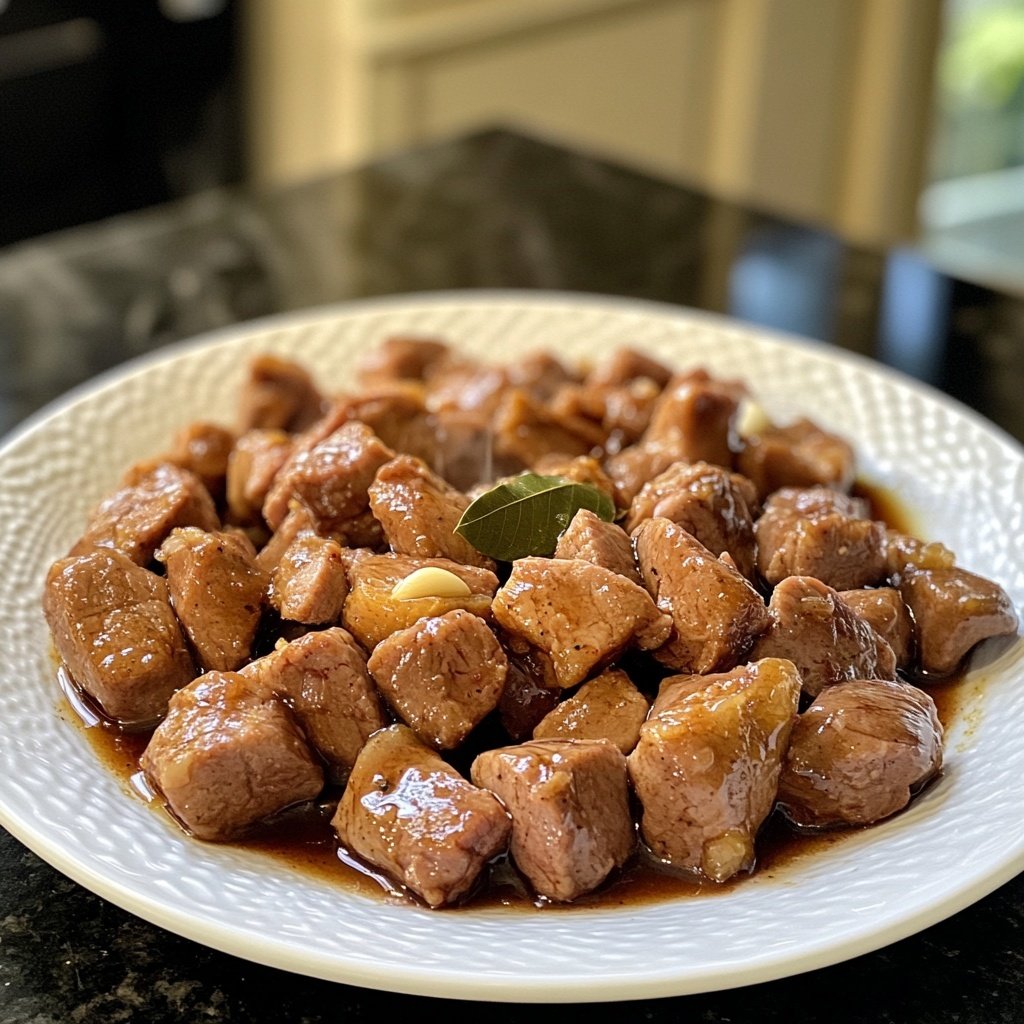
Discover the rich and savory flavors of Filipino Pork Adobo, a beloved dish that's perfect for any occasion.

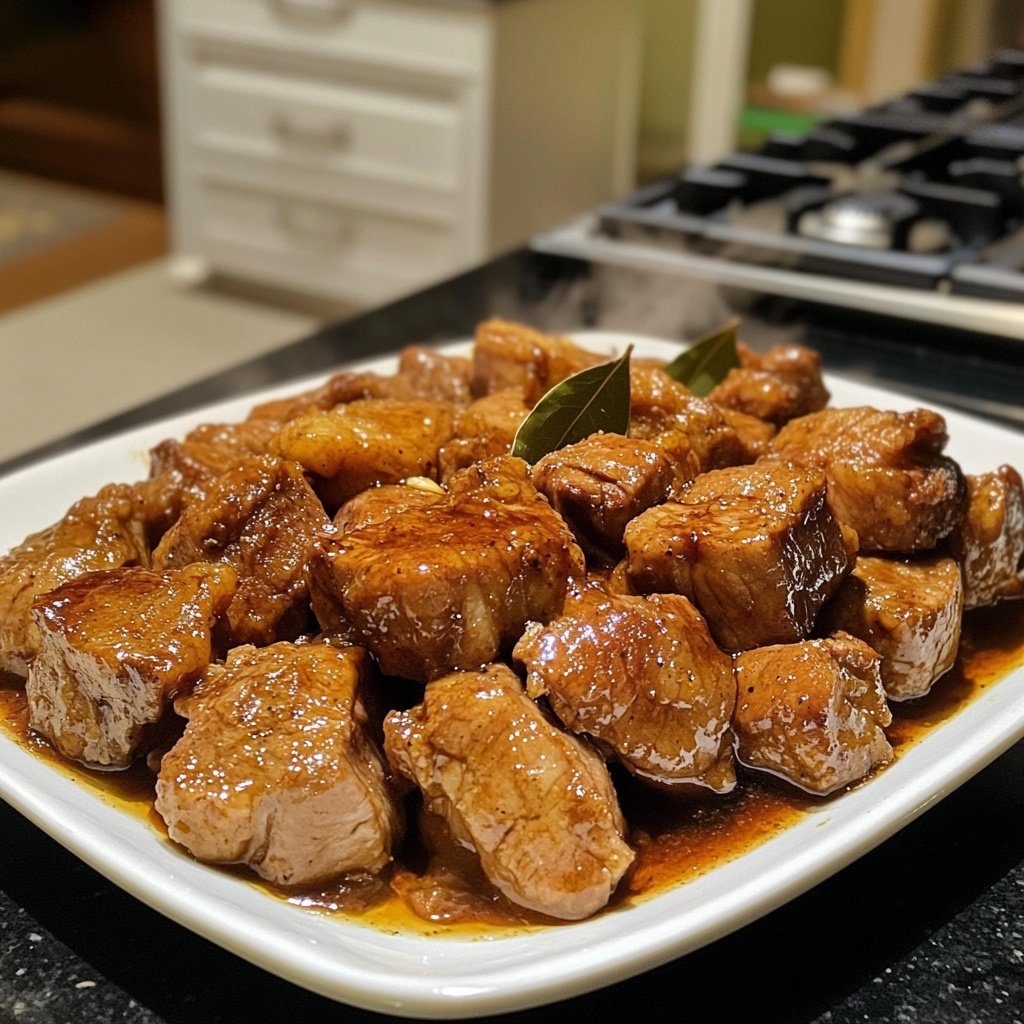
Filipino Pork Adobo is more than just a dish; it's a culinary tradition that reflects the rich history and culture of the Philippines. This savory delight combines tender pork with a tangy sauce made from soy sauce, vinegar, and spices, resulting in a meal that is both comforting and full of flavor.
Why You'll Love This Recipe
- A perfect balance of savory, tangy, and sweet flavors
- Tender pork that melts in your mouth
- Easy to prepare and perfect for meal prep
- A dish that gets better with time, making leftovers even tastier
The Origins of Adobo
Adobo is often regarded as the unofficial national dish of the Philippines, embodying the country's rich culinary heritage. Its origins can be traced back to the Spanish colonial period, where the term 'adobar' refers to the marinade used for meats. Filipino adobo is unique; it blends indigenous cooking techniques with Spanish influences, resulting in a dish that is both savory and aromatic. The variety of ingredients and methods used across regions highlight the dish's versatility and the cultural significance it holds for Filipino families.
Every region in the Philippines has its own take on adobo, making it a beloved comfort food that varies from household to household. Some variations incorporate coconut milk for a creamier texture, while others might add potatoes or hard-boiled eggs. This adaptability ensures that there is an adobo for everyone, making it a dish that brings people together during family gatherings and celebrations.
Perfect Pairings
Filipino Pork Adobo is best enjoyed with a side of steamed rice, which helps to soak up the rich sauce. The tender pork and flavorful marinade create a delightful contrast with the fluffy rice, making each bite a delicious experience. For a complete meal, consider serving it alongside sautéed vegetables such as bok choy or green beans. These fresh sides add a crunchy texture and vibrant color to your plate, balancing the savory elements of the adobo.
If you're looking for beverage pairings, a cold glass of iced tea or a refreshing lemonade complements the tangy flavors of the adobo exceptionally well. The acidity from these drinks enhances the overall dining experience, making it more enjoyable. For those who prefer alcoholic beverages, a light beer or a crisp white wine can also work beautifully with this delightful dish.
Storing and Reheating Leftovers
One of the best aspects of Filipino Pork Adobo is its ability to taste even better the next day. The flavors deepen and meld, making leftovers a culinary delight. To store, simply transfer any remaining adobo to an airtight container and refrigerate for up to three days. If you want to keep it longer, consider freezing it for up to three months. Just be sure to label the container with the date to keep track of its freshness.
When it comes to reheating, the stovetop is your best friend. Gently warm the adobo in a saucepan over low heat, adding a splash of water if necessary to prevent it from drying out. Stir occasionally until heated through. This method helps retain the flavors that make the dish so irresistible. If you're in a hurry, you can also use the microwave, but be sure to cover the dish to keep the moisture in.
Ingredients
For the Adobo
- 2 lbs pork belly, cut into cubes
- 1 cup soy sauce
- 1 cup vinegar
- 1 cup water
- 6 cloves garlic, minced
- 2 bay leaves
- 1 tsp black peppercorns
- 2 tbsp vegetable oil
- Salt to taste
Make sure to have all ingredients prepared before you start cooking!
Cooking Instructions
Marinate the Pork
In a bowl, combine the pork, soy sauce, garlic, and bay leaves. Marinate for at least 30 minutes, preferably overnight for better flavor.
Cook the Pork
In a large pot, heat vegetable oil over medium heat. Add the marinated pork (reserve the marinade) and cook until browned on all sides.
Simmer with Sauce
Add the reserved marinade, vinegar, water, and peppercorns to the pot. Bring to a boil, then reduce heat to low and simmer for 30-35 minutes, or until the pork is tender. Adjust seasoning with salt if necessary.
Serve
Serve hot over steamed rice, garnished with chopped green onions if desired.
Enjoy your delicious Filipino Pork Adobo!
Tips for the Best Adobo
To achieve the ultimate flavor in your Pork Adobo, consider marinating the pork overnight. This allows the meat to absorb the soy sauce, vinegar, and garlic deeply, resulting in a more flavorful dish. Additionally, using high-quality soy sauce and vinegar can significantly elevate the taste, so choose brands that you trust and enjoy.
If you prefer a thicker sauce, you can simmer the adobo uncovered in the final stages of cooking to reduce the liquid. Just keep an eye on it to prevent burning. For a touch of sweetness, adding a tablespoon of brown sugar can also enhance the flavor profile, balancing the tanginess of the vinegar.
Customizing Your Adobo
Feel free to experiment with different cuts of pork, as each will provide a unique texture and flavor. Pork shoulder or ribs can be used for a heartier dish, while leaner cuts like pork loin will yield a lighter option. You can also mix meats, incorporating chicken or beef for a more complex adobo experience.
Incorporating spices such as cumin or adding a few slices of chili can give your adobo an exciting twist. Additionally, some cooks add a splash of coconut milk for a creamier consistency that brings a new depth to the dish. Don't hesitate to make it your own; the beauty of adobo lies in its flexibility.
Questions About Recipes
→ Can I use other meats for Adobo?
Yes, chicken and beef are also popular choices for making Adobo.
→ How can I store leftovers?
Store leftovers in an airtight container in the refrigerator for up to 3 days.
→ Can I freeze Pork Adobo?
Yes, you can freeze Pork Adobo for up to 3 months. Thaw in the refrigerator before reheating.
→ Is Pork Adobo spicy?
Traditional Pork Adobo is not spicy, but you can add chili peppers if you prefer some heat.
Filipino Pork Adobo
Discover the rich and savory flavors of Filipino Pork Adobo, a beloved dish that's perfect for any occasion.
Created by: Sandra
Recipe Type: Global Taste Journey
Skill Level: Intermediate
Final Quantity: 4 servings
What You'll Need
For the Adobo
- 2 lbs pork belly, cut into cubes
- 1 cup soy sauce
- 1 cup vinegar
- 1 cup water
- 6 cloves garlic, minced
- 2 bay leaves
- 1 tsp black peppercorns
- 2 tbsp vegetable oil
- Salt to taste
How-To Steps
In a bowl, combine the pork, soy sauce, garlic, and bay leaves. Marinate for at least 30 minutes, preferably overnight for better flavor.
In a large pot, heat vegetable oil over medium heat. Add the marinated pork (reserve the marinade) and cook until browned on all sides.
Add the reserved marinade, vinegar, water, and peppercorns to the pot. Bring to a boil, then reduce heat to low and simmer for 30-35 minutes, or until the pork is tender. Adjust seasoning with salt if necessary.
Serve hot over steamed rice, garnished with chopped green onions if desired.
Nutritional Breakdown (Per Serving)
- Calories: 350 kcal
- Total Fat: 22g
- Saturated Fat: 7g
- Cholesterol: 70mg
- Sodium: 800mg
- Total Carbohydrates: 6g
- Dietary Fiber: 0g
- Sugars: 1g
- Protein: 30g